How Much Does a Tattoo Cost?
“How much does a tattoo cost?” is the most common question in the industry — and the most honest answer is: it depends. A tiny minimalist symbol might cost less than a dinner out, while a full sleeve can rival the price of a used car. Understanding how tattoo pricing works before you walk into a studio puts you in control of the conversation and protects you from both overpaying and suspiciously cheap work.
This guide breaks down real tattoo prices by size, explains what drives costs up or down, shows you how to budget (including the tip everyone forgets), and flags the red flags that tell you when a bargain is actually a warning sign.
How Tattoo Pricing Actually Works
Studios price tattoos in three main ways. The shop minimum (typically $50–$150) is the floor price for any tattoo, no matter how tiny — it covers setup, sterilization, needles, and the artist’s time. Small pieces are usually priced as flat rates quoted up front. Larger work is billed at an hourly rate, which in 2026 typically runs $100–$300 per hour depending on the artist’s experience and location, with elite artists charging $300+.
Here is what most first-timers do not realize: you are not paying for ink. You are paying for years of skill, sterile equipment, studio overhead, and hours of focused labor. A $200 tattoo that took three hours of an experienced artist’s time is not expensive — it is fairly priced craftsmanship.
Average Tattoo Prices by Size
Use this table as a realistic ballpark for 2026 pricing at reputable studios. Prices assume black-and-grey work; color typically adds 20–50%.
| Tattoo Size | Typical Price Range | Examples |
|---|---|---|
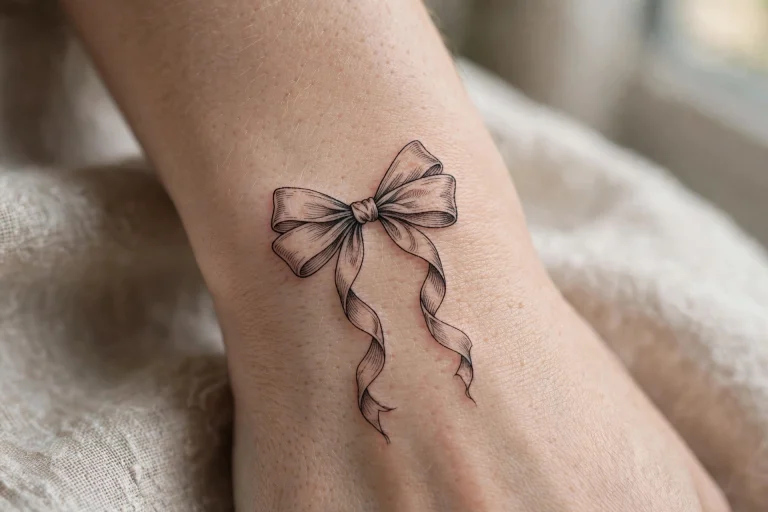
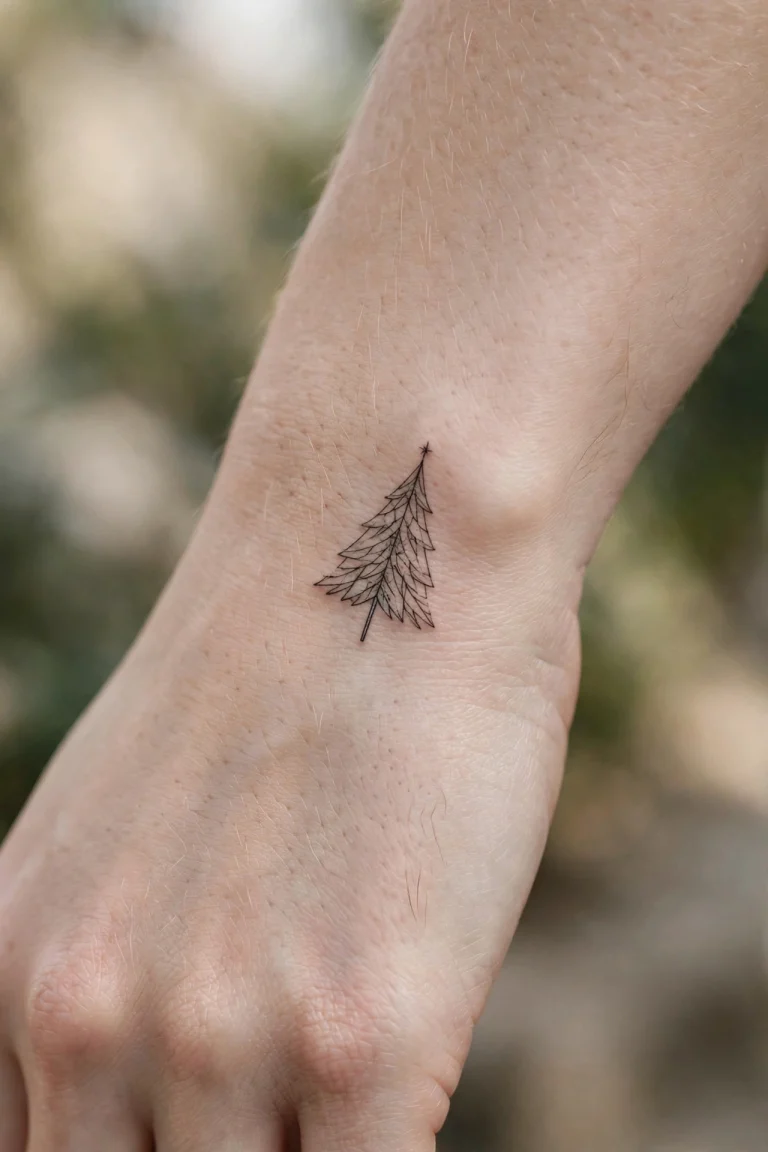
| Tiny (under 2 inches) | $50–$200 | Small symbols, single words, minimalist icons |
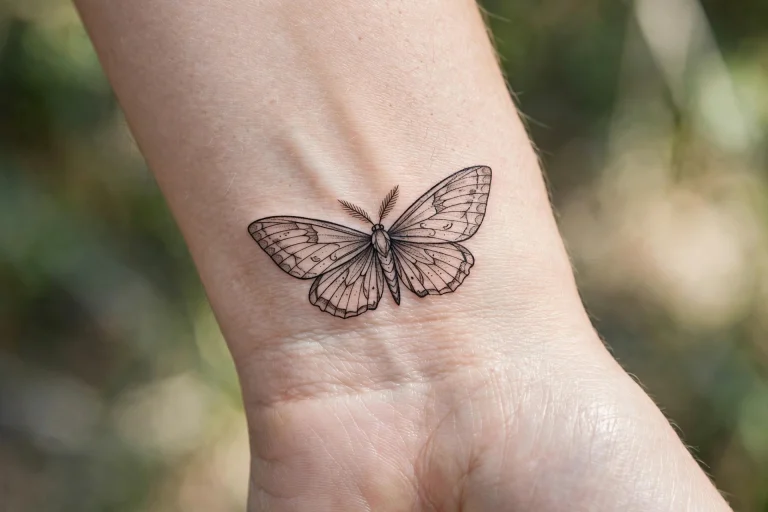
| Small (2–4 inches) | $150–$400 | Small florals, fine-line designs, simple animals |
| Medium (4–6 inches) | $300–$800 | Palm-sized pieces, detailed single elements |
| Large (6+ inches) | $700–$2,000+ | Thigh pieces, half sleeves, back pieces |
| Half sleeve | $1,500–$4,000 | Multi-session work, often 8–15 hours total |
| Full sleeve | $3,000–$8,000+ | 20–40+ hours across many sessions |
| Full back piece | $4,000–$10,000+ | The largest single canvas; premium artist rates apply |
What Drives the Price Up (or Down)
Size and detail are the biggest factors — more skin coverage and intricate linework mean more hours. Color costs more than black-and-grey because it requires additional passes and longer sessions. Placement matters too: difficult areas (ribs, hands, neck) take longer and demand more skill, which shows up in the quote.
Artist experience and reputation create the widest price swings. An apprentice might charge $80/hour while a renowned specialist charges $300+/hour — and for good reason, since their healed work, consistency, and demand justify it. Location matters enormously: studios in New York, Los Angeles, or London charge far more than shops in smaller cities, reflecting rent and local demand. Finally, custom design work may carry a drawing fee ($50–$200+, sometimes credited toward the tattoo) versus cheaper flash designs off the wall.
How to Budget for Your Tattoo
Start by getting a real quote, not a guess. Bring clear references to a consultation, describe the size honestly (bring a ruler or compare to your palm), and ask whether the quote is flat-rate or hourly — and if hourly, roughly how many hours. Reputable artists quote transparently and will tell you if your budget does not match your vision, often suggesting a smaller version or phased approach.
Build your budget in three parts: the tattoo price itself, a 20% tip (standard etiquette, and artists remember generous tippers when booking coveted slots), and aftercare supplies ($15–$30). For large pieces, ask about payment plans or per-session pricing — most artists happily split a sleeve across monthly sessions. Never haggle aggressively; you can politely ask if there is flexibility, but treating an artist’s rate as negotiable is considered disrespectful.
Red Flags: When Cheap Is Too Cheap
A suspiciously low price is the tattoo world’s biggest warning sign. If an experienced-looking artist quotes dramatically below the local market rate, ask why. Common explanations that should make you walk away: no proper licensing, reused or non-sterile equipment, working from home without health department oversight, or simply lack of skill disguised by a bargain price.
Other red flags: artists who will not show a portfolio of healed work (fresh tattoos always look good), pressure to decide on the spot, no consultation process, and cash-only operations with no paper trail. A bad tattoo costs far more to fix — laser removal runs $200–$500 per session over many sessions, and cover-ups limit your future options. Paying fairly the first time is always the cheaper path.
Tipping Your Artist: What Is Expected
Tipping is standard in tattoo culture: 15–20% of the total is the norm, 20%+ for exceptional work or long multi-session projects. Tip in cash when possible, and tip per session for large pieces rather than waiting until the end. If an apprentice or junior artist gave you a discounted rate, tipping generously is especially appreciated.
Beyond money, the best “tips” cost nothing: leave a glowing review, tag the artist when you post your tattoo, refer friends, and come back for your next piece. Artists build careers on loyal clients, and being a great client gets you priority booking and genuine enthusiasm for your future ideas.
FAQs
What is the average cost of a tattoo in 2026?
Most people spend $150–$500 for a small-to-medium tattoo at a reputable studio. Shop minimums run $50–$150, hourly rates run $100–$300, and large custom pieces run into the thousands. Your location and the artist’s experience move these numbers significantly.
Why do tattoos cost so much?
You are paying for skilled labor, sterile single-use equipment, studio overhead, and often hours of custom design work before the needle ever touches skin. When broken down hourly, tattoo pricing is comparable to other skilled trades — with the difference that the result is permanent.
Can I negotiate the price of a tattoo?
Aggressive haggling is frowned upon, but honest budget conversations are welcome. Tell the artist your budget upfront — they can often adjust the size, detail, or phasing of the design to fit it. Many artists offer flash days with discounted rates if cost is a concern.
Do color tattoos cost more than black and grey?
Yes, typically 20–50% more. Color work requires more passes over the skin, more expensive pigments, and longer sessions. Some styles, like watercolor or realism, demand even more time and carry premium pricing.
How much should I tip my tattoo artist?
Tip 15–20% of the total price, in cash when possible. For multi-session pieces, tip at each session. If you received a discounted or apprentice rate, tipping toward the higher end is a meaningful way to show appreciation.
Pay Fair, Wear It Proud
A tattoo is one of the few purchases you will literally wear every day for the rest of your life. Budget honestly, choose your artist for their healed portfolio rather than their price tag, tip well, and never let a bargain lure you into a chair you would not otherwise trust. Do that, and the price becomes the least memorable part of the experience.
Planning your ink budget? Pin this pricing guide to your tattoo board on Pinterest for easy reference — and follow us for more honest guides on placements, aftercare, and finding the right artist.