Tattoo Aftercare Guide: Day-by-Day Care
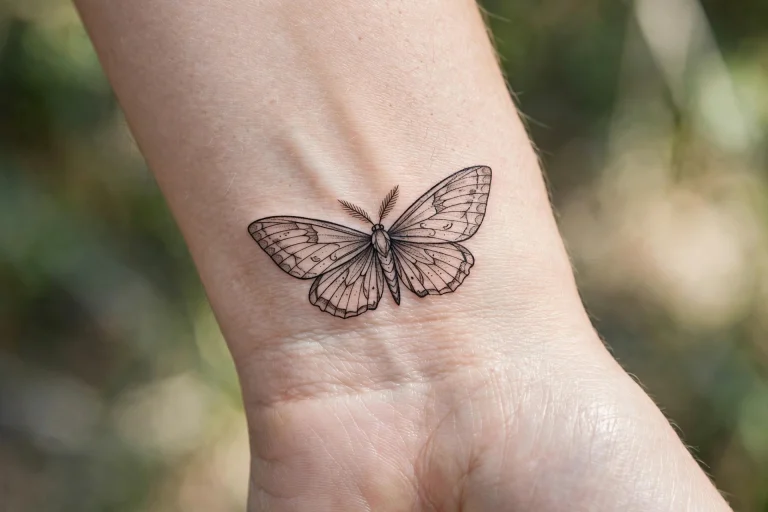
Getting the tattoo is only half the journey — how you care for it in the weeks after determines whether it heals into crisp, vibrant art or a faded, blurry regret. Proper tattoo aftercare is not complicated, but it is specific, and small mistakes (too much ointment, too much sun, picking at scabs) are the number one cause of disappointing healed results.
This day-by-day guide walks you through exactly what to do from the moment you leave the studio through full healing. You will learn what each stage looks and feels like, which products to use and avoid, how to spot the warning signs of infection, and how to keep your tattoo looking fresh for years.
The First 72 Hours: Protect and Keep It Clean
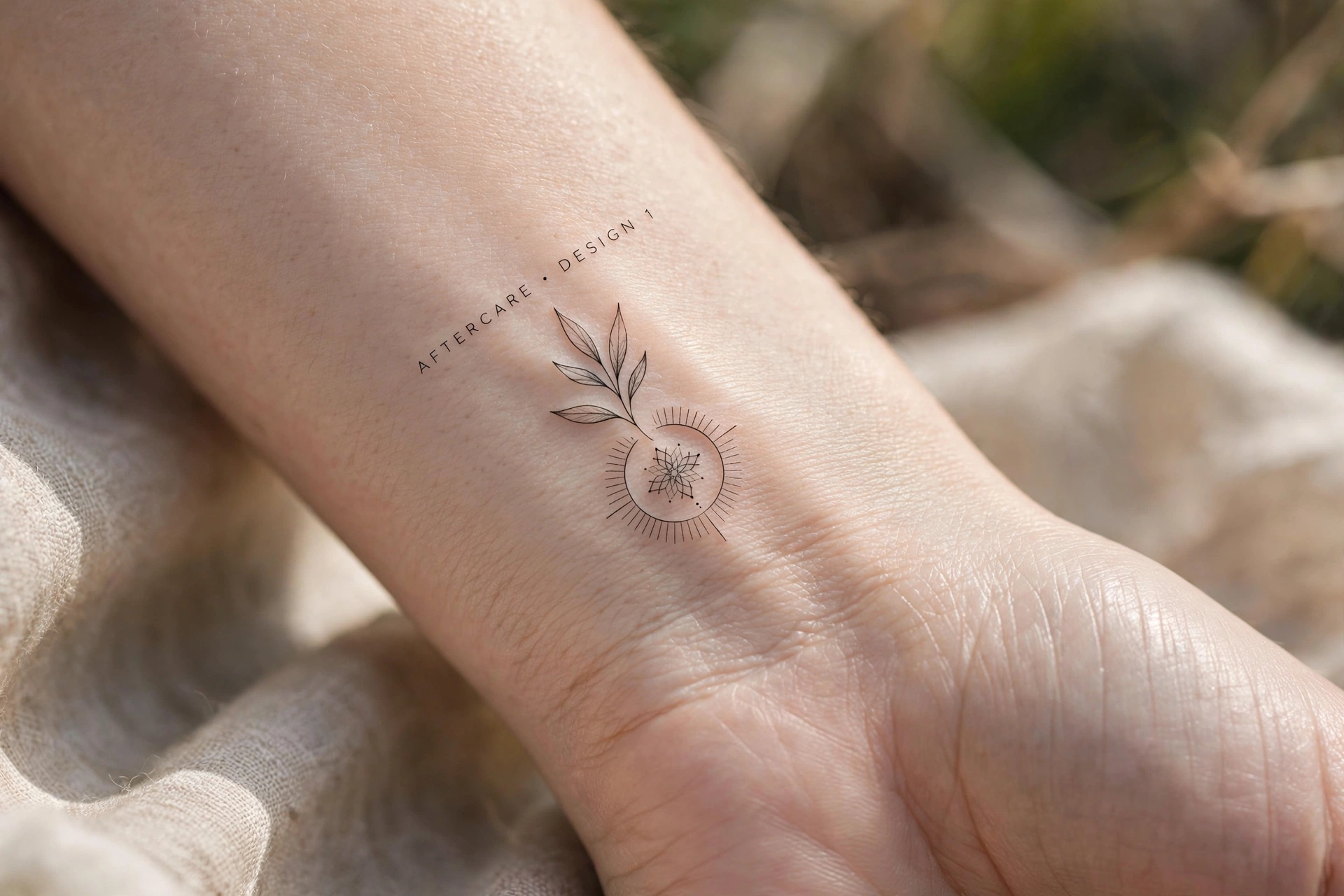
Your artist will bandage your new tattoo before you leave — either with cling film or a modern adhesive “second skin” bandage. If it is cling film, remove it after 2–4 hours, wash the tattoo gently with lukewarm water and fragrance-free antibacterial soap, pat (never rub) dry with a clean paper towel, and apply a thin layer of aftercare ointment. If your artist used second skin, leave it on for the 3–5 days they recommend; it keeps the tattoo sealed and you do not need to moisturize underneath it.
Expect the area to be red, swollen, and tender — it is an open wound, after all. You may see ink, blood, and plasma leaking, especially on day one; this is completely normal. Sleep on clean sheets, wear loose clothing that will not stick to the tattoo, and resist the urge to re-bandage it yourself with household cling film once the initial bandage is off — tattoos need air to start healing.
Days 4–7: Itching, Peeling, and the Ugly Phase
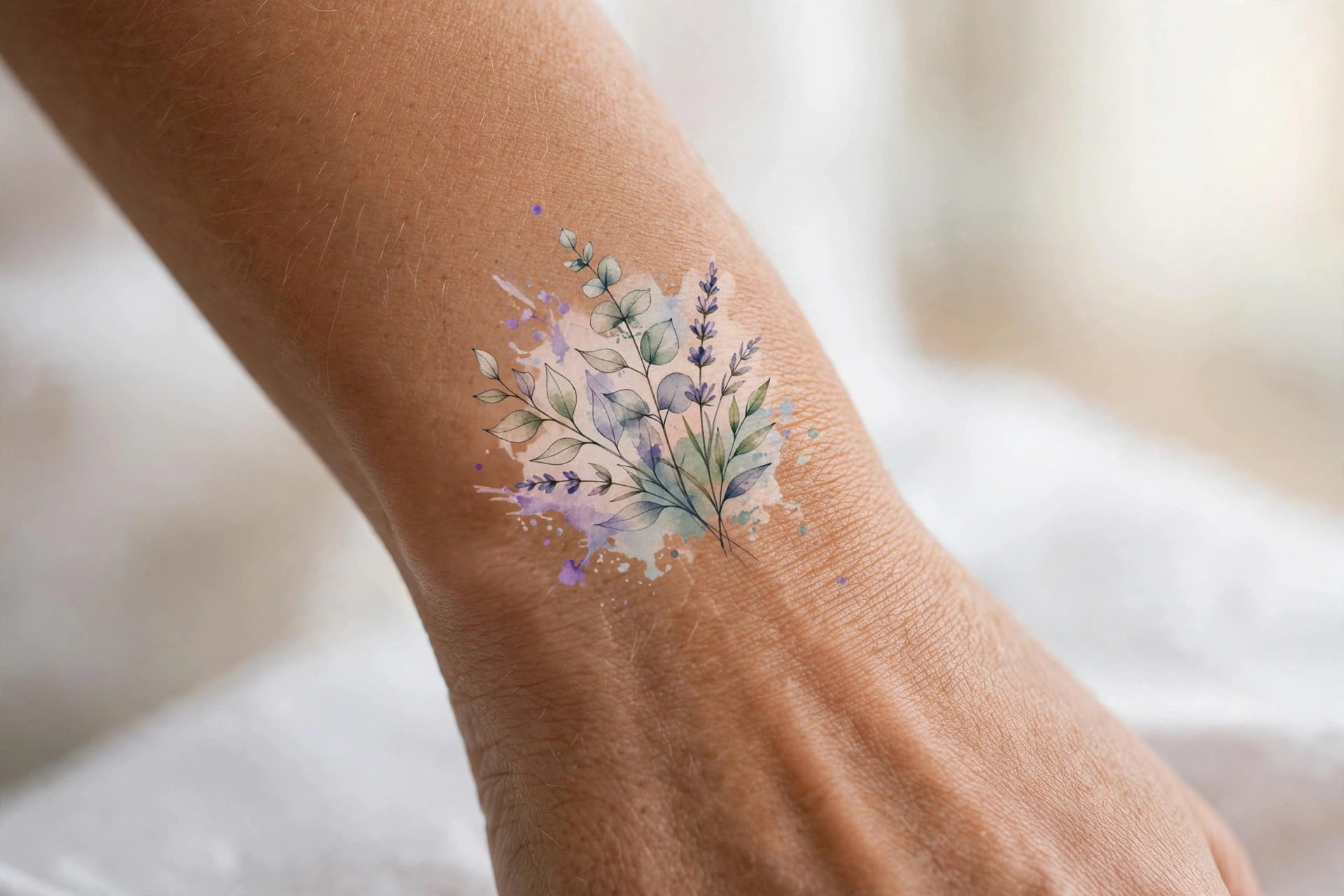
Around day 4, the itching starts — and it can be intense. This is the most dangerous phase for your tattoo, not because of infection risk, but because scratching or picking feels irresistible. Do not do it. Peeling and flaking are normal: your skin is shedding its damaged top layer like a sunburn. Let flakes fall off on their own; pulling them can lift ink straight out of the tattoo.
Switch from ointment to a light, fragrance-free moisturizer applied in thin layers 2–3 times a day. The tattoo should never look greasy or feel slimy — too much product suffocates the skin and can cause breakouts or ink loss. If the itch is unbearable, a cool damp cloth pressed gently over the area (never rubbed) brings relief without damaging the healing skin.
Weeks 2–4: The Settling-In Phase
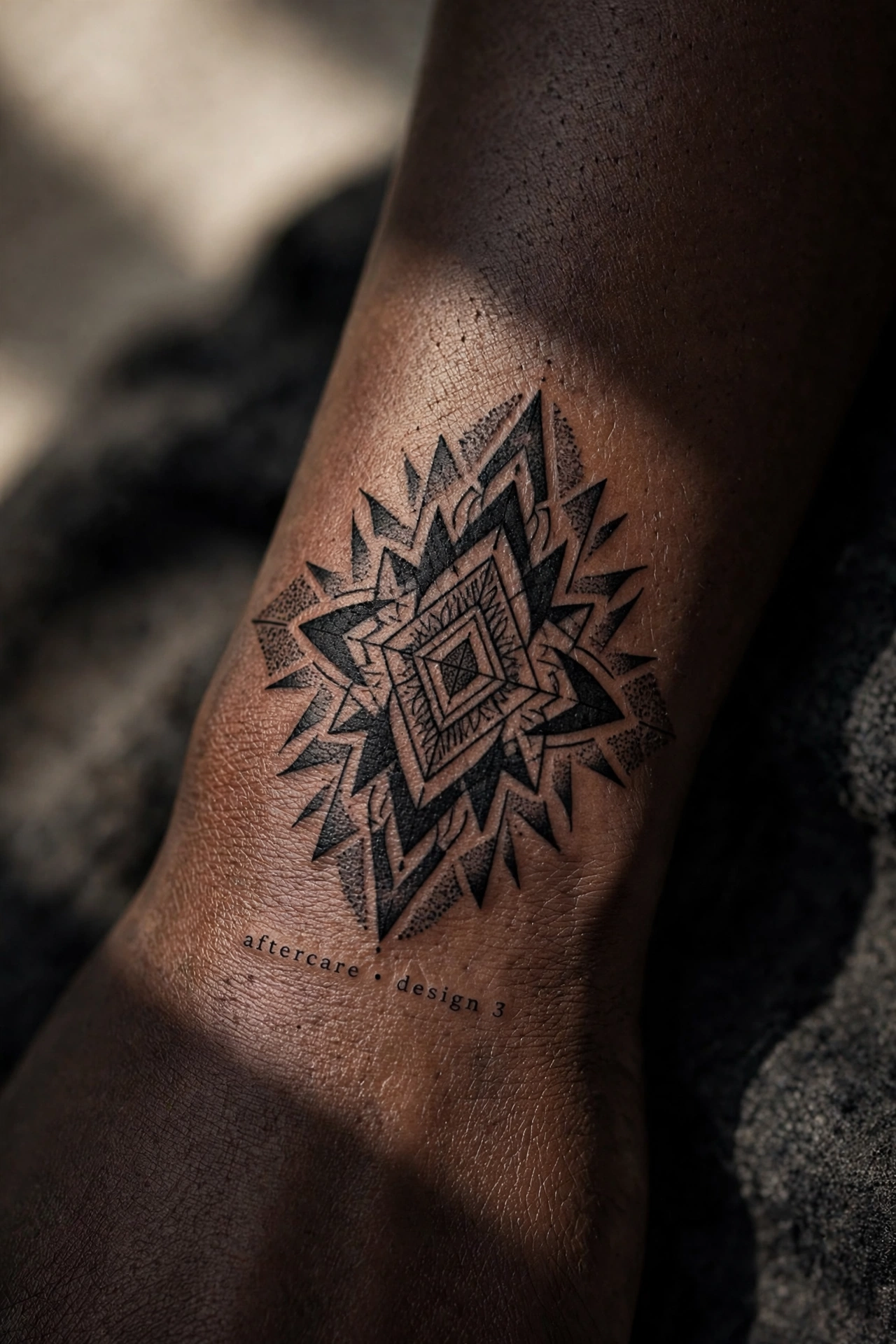
By week two, the peeling stops and the tattoo may look dull, cloudy, or slightly milky. Do not panic — this is a thin layer of healing skin over the ink, sometimes called “silver skin,” and it clears on its own. The tattoo is not finished healing just because the surface looks calm; the deeper skin layers continue repairing for a full 4–6 weeks.
Keep moisturizing daily but you can relax the strict routine now. This is still not the time for swimming pools, hot tubs, saunas, or long baths — submerging a healing tattoo invites bacteria and can pull ink out. Showers are fine; just do not blast the tattoo directly with hot water or scrub it. Around week 4–6, your tattoo should look settled, vibrant, and fully integrated into your skin.
What to Use and What to Avoid
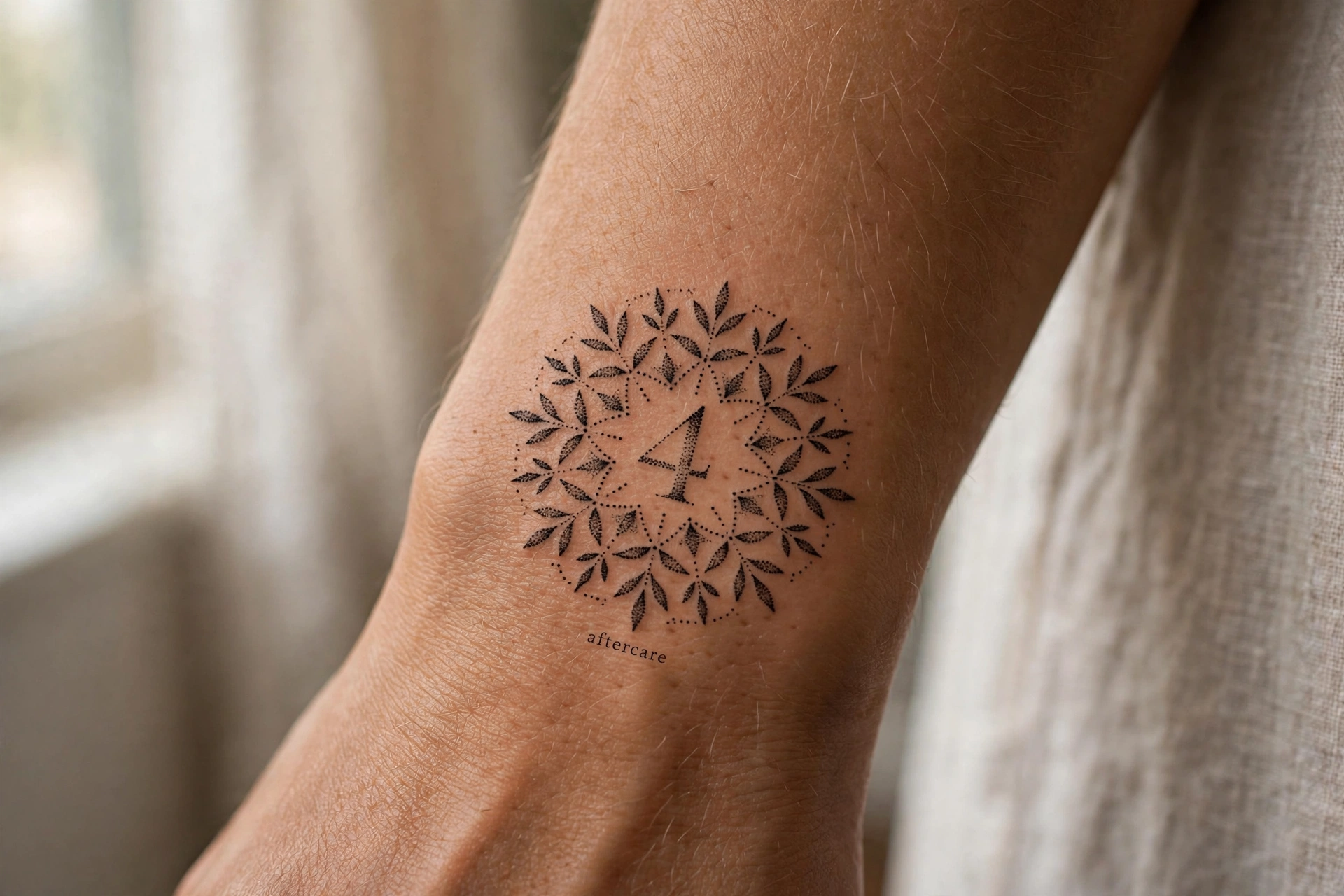
Aftercare products do not need to be fancy, but they do need to be gentle. Here is the simple breakdown:
- Use: fragrance-free antibacterial soap for washing, a dedicated tattoo aftercare ointment or balm for the first few days, then a light fragrance-free moisturizer.
- Use: clean paper towels for drying (bathroom towels harbor bacteria), loose breathable clothing, and high-SPF sunscreen once fully healed.
- Avoid: scented lotions, petroleum-heavy products used excessively, and anything with alcohol — all of these irritate healing skin.
- Avoid: swimming, hot tubs, saunas, and baths for at least 2–3 weeks; direct sun exposure and tanning beds for at least 4 weeks.
- Avoid: scratching, picking, shaving over the tattoo, and tight clothing that rubs the area while it heals.
When in doubt, less is more. A thin layer of product, gentle handling, and patience outperform any elaborate routine.
Signs of Infection: When to Get Help
Most tattoos heal without drama, but infections happen — usually from touching the tattoo with dirty hands, submerging it too early, or (rarely) contaminated equipment. Normal healing includes redness and swelling for the first few days, mild itching, and flaking. Infection looks different: redness that spreads outward instead of fading, increasing pain or throbbing after day 3, heat radiating from the tattoo, yellow-green pus, red streaks, or fever and chills.
If you see these signs, contact your artist first — experienced artists recognize infection quickly — and see a doctor promptly if symptoms worsen. Do not try to treat a suspected infection with extra ointment or home remedies. Caught early, tattoo infections are very treatable; ignored, they can damage both the tattoo and your health.
Long-Term Care: Keeping Your Tattoo Beautiful for Years
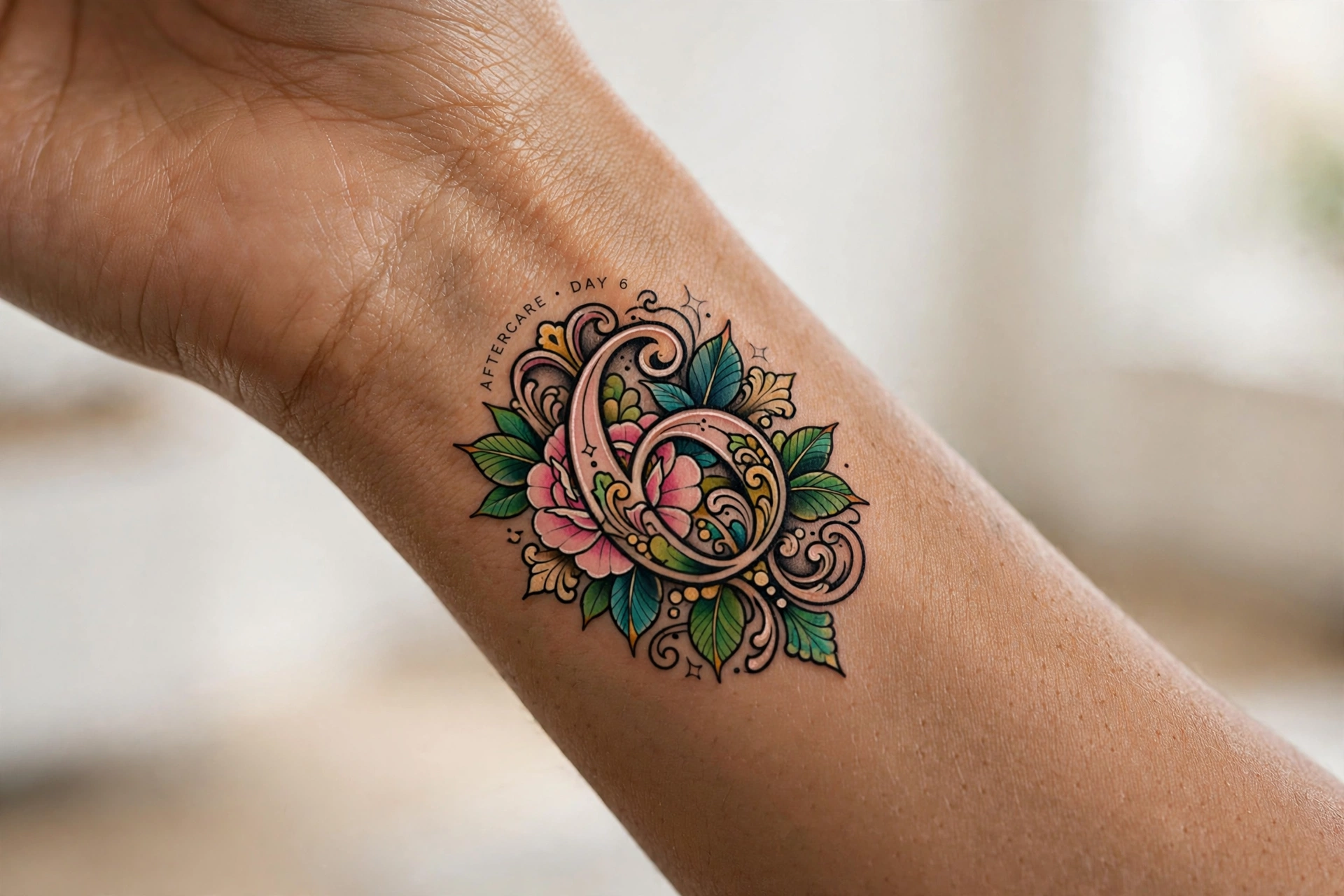
Once healed, your tattoo’s biggest enemy is the sun. UV rays break down ink pigments over time, causing fading and blurring — blackwork turns grey-green, colors wash out. Apply SPF 30+ sunscreen to your tattoos whenever they will see sun, even on cloudy days. This single habit does more for long-term vibrancy than anything else.
Keep the skin moisturized as part of your normal routine; healthy, hydrated skin shows ink at its best. Stay hydrated, avoid rapid major weight changes over large tattooed areas, and schedule touch-ups with your artist every few years if lines soften — most artists offer affordable touch-up rates for their own work.
FAQs
How long does a tattoo take to heal completely?
The surface heals in 2–3 weeks, but full healing of the deeper skin layers takes 4–6 weeks. Larger or heavily worked pieces can take longer. Follow aftercare guidance for the full period, not just until it looks fine.
Can I work out after getting a tattoo?
Light activity after a couple of days is fine, but avoid heavy sweating, gym equipment pressing on the tattoo, and swimming for at least 2–3 weeks. Sweat and friction irritate healing skin and raise infection risk.
Should I keep my tattoo wrapped or let it breathe?
Follow your artist’s bandaging instructions exactly. After the initial bandage comes off (or second skin is removed), the tattoo should be left uncovered to air — do not re-wrap it yourself.
Is it normal for my tattoo to itch and peel?
Completely normal. Itching and flaking around days 4–7 are signs of healthy healing, like a mild sunburn. Moisturize lightly, never scratch, and let peeling skin fall off naturally.
When can I go swimming after a tattoo?
Wait at least 2–3 weeks, and only once all peeling and scabbing has fully resolved. Pools, oceans, hot tubs, and lakes all harbor bacteria that can infect a healing tattoo — showers are the safe option until then.
Heal It Right, Keep It Forever
Your artist did their part in the chair — the healing is on you, and now you know exactly what each stage looks like and how to handle it. Gentle washing, thin layers of moisturizer, no picking, no swimming, and sunscreen for life: that is genuinely the whole secret to a tattoo that still turns heads in ten years.
Save this day-by-day guide to your tattoo board on Pinterest so you have it on hand during healing — and follow us for more expert tattoo guides that keep your ink looking its best.